
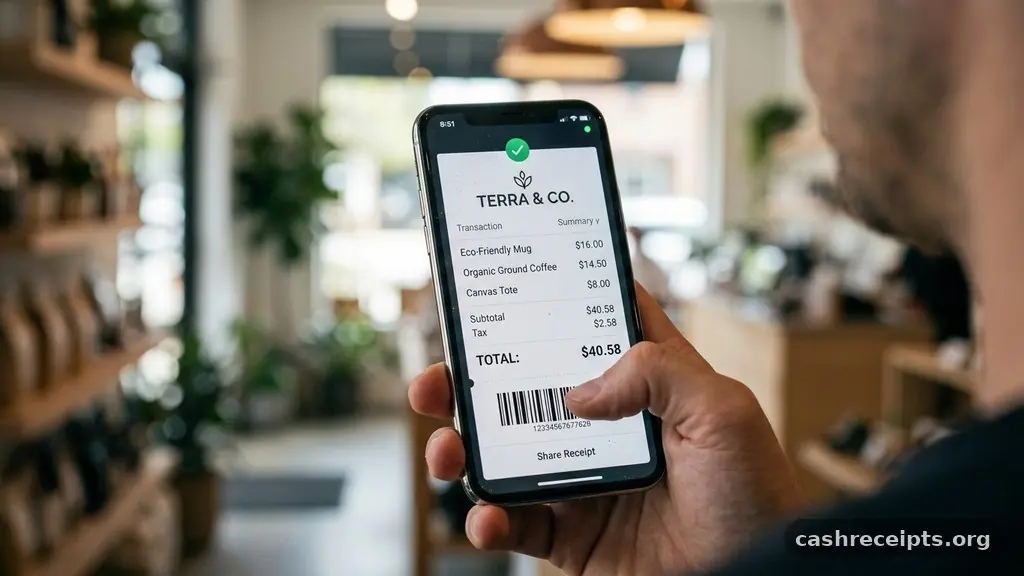
Understanding a digital receipt and how does it work is becoming essential for anyone looking to simplify their personal finances or business record-keeping. Unlike traditional thermal paper slips that fade or get lost, these electronic records provide a permanent, searchable history of your spending. By moving away from physical paper waste, consumers and merchants alike contribute to a more efficient retail ecosystem.
This article clarifies exactly what these records are, how they are generated, and why they have become the standard for modern commerce. You will learn the mechanics behind the transaction process and how to better manage your own financial data.
Defining the Digital Receipt
At its core, a digital receipt is an electronic version of the proof-of-purchase document you typically receive after a transaction. While paper receipts are printed on thermal paper at a point-of-sale terminal, digital versions are transmitted directly to your email, a mobile app, or a cloud-based account. They contain the same essential information, including the merchant’s name, the date of purchase, individual item prices, and total tax amounts.
The primary difference lies in the storage and accessibility of the data. Because these records exist in a digital format, they are inherently indexed and searchable.
You do not need to hunt through a shoebox of faded slips when you need to verify a warranty or reconcile your monthly budget. They serve as a permanent, high-fidelity record of your interaction with a business.
The Mechanics of Transaction Processing
When you make a purchase, the process of generating a digital receipt happens in milliseconds behind the scenes. Once your payment is approved, the merchant’s point-of-sale system triggers a request to capture your contact information. This is often linked to your email address or a phone number associated with your loyalty profile.
The system then packages the transaction details into a structured file format. This file is sent to a server, which generates the receipt and dispatches it to your chosen delivery method.
In cases where you use a digital recordkeeping system, the data might also be pushed directly to your accounting software. This automation removes the manual entry step that often leads to errors in personal or business bookkeeping.
Benefits for Modern Businesses
Merchants benefit significantly from shifting toward electronic systems rather than relying on paper. Printing paper receipts requires a constant supply of thermal paper rolls, which represent a recurring overhead cost. By emailing receipts, businesses eliminate these supply costs while simultaneously reducing their physical waste footprint.
Furthermore, these systems provide valuable data insights that paper simply cannot match. Businesses can track customer purchase history, identify popular items, and offer personalized promotions based on actual shopping behavior.
This deeper understanding of the customer helps merchants refine their inventory and marketing strategies. It transforms a simple transaction into a meaningful touchpoint between the brand and the consumer.
How Consumers Manage Expense Tracking
For the average person, managing expenses becomes significantly more efficient with electronic documentation. Instead of manually recording every purchase in a spreadsheet, many users now rely on apps that automatically parse their emails for receipt data. This creates an automated log of your spending habits without any manual input.
Tax season also becomes much less stressful when you have a digital archive of your deductible expenses. You can search for specific keywords or dates to pull up every relevant document in seconds.
This reliability ensures that you never miss out on a tax deduction because you misplaced a physical slip. It provides a level of organization that is nearly impossible to maintain with paper.
Comparing Traditional and Digital Records
The shift from paper to digital is not just about convenience; it is about data integrity. Paper receipts are fragile, prone to fading when exposed to heat or light, and easily destroyed by moisture. Digital records are immune to these physical hazards and can be backed up across multiple cloud services.
The following table highlights the key differences between these two methods of documentation:
| Feature | Paper Receipts | Digital Receipts |
|---|---|---|
| Storage | Physical folders or boxes | Cloud-based or email archives |
| Accessibility | Manual search required | Instant search/filter |
| Sustainability | High waste (non-recyclable paper) | Paperless |
| Durability | Fades over time | Permanent digital copy |
Security and Privacy Considerations
Data security is a valid concern when sharing your contact information with merchants. When you provide an email address for a receipt, you are essentially trusting that business to handle your data responsibly. Reputable merchants use encrypted systems to transmit these records, ensuring that your personal information is not exposed during the transfer.
However, you should always be mindful of the information you share at the checkout counter. Avoid providing your primary email address to merchants you do not trust or that seem to have unclear privacy policies. Many savvy shoppers maintain a separate email address specifically for receipts and marketing communications to keep their main inbox clean and secure.
Common Questions About Electronic Records
There are several recurring questions that consumers often ask when transitioning to paperless systems. Addressing these concerns helps demystify the process and encourages wider adoption of digital habits.
Does the IRS accept digital receipts for tax purposes?
The Internal Revenue Service generally accepts digital records as valid proof of purchase. The key requirement is that the document must contain all the essential information that a paper receipt would have. This includes the date, the amount paid, and the identity of the merchant.
Can I return an item without the paper original?
Most modern retailers can look up your transaction using your credit card or loyalty account, even if you do not have the physical slip. Having a digital copy on your phone or in your email makes this process even faster for store associates. Always check the specific return policy of the merchant to confirm their requirements.
How do I start creating digital receipts for my own business?
If you are a business owner, you can implement this by choosing a point-of-sale system that supports digital delivery. Many modern card readers and tablet-based POS systems have this feature built-in. You simply need to enable the setting in your dashboard to start sending electronic copies to your customers.
Are there apps to help organize these documents?
Yes, there are several dedicated expense-tracking applications designed to aggregate your receipts. These tools often integrate with your email inbox to automatically identify and categorize purchase confirmations. Using these apps can turn a chaotic pile of emails into a clean, searchable database of your financial life.
Improving Your Financial Organization
Adopting a system for managing your transaction data is a small change that pays off in long-term clarity. Start by auditing your current habits and identifying which purchases you need to track for taxes or budgeting. You might consider the following steps to improve your workflow:
- Create a dedicated folder in your email account for all purchase confirmations.
- Use a dedicated email address for retail transactions to avoid cluttering your primary inbox.
- Install an expense-tracking app that automatically scans your email for receipt data.
- Review your monthly statements against your digital archives to ensure accuracy.
- Back up your primary receipt folder to a secure cloud storage service once a month.
Taking these steps helps you stay on top of your financial health with minimal effort. You will find that when you understand a digital receipt and how does it work, you are much more capable of managing your resources. The shift towards paperless records is a natural evolution of technology that benefits both the merchant and the customer.
By embracing these digital tools, you save time, reduce environmental impact, and gain greater control over your personal or professional financial history. As more businesses adopt these systems, the standard for record-keeping will continue to rise, making it easier than ever to maintain a clear view of your spending. Start small by opting for email receipts at your next checkout and watch how quickly your organizational burden decreases.