
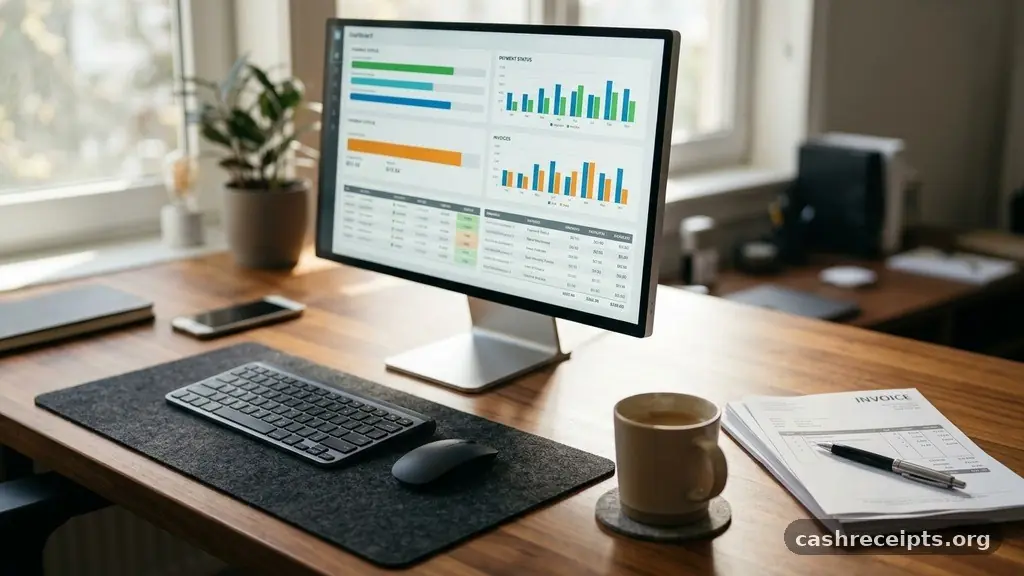
Mastering a practical guide to tracking customer payments serves as the bedrock for any thriving business. When you keep a close eye on incoming funds, you protect your cash flow and ensure your operations remain sustainable. This process involves more than just checking your bank account; it requires a disciplined approach to recording, reconciling, and following up on every dollar owed to you.
By implementing a consistent system, you reduce the risk of missed revenue and build stronger relationships with your clients. Whether you are a solo entrepreneur or managing a growing team, these habits provide the clarity needed to make informed financial decisions every single day.
Understanding the Basics of Payment Monitoring
Effective payment tracking starts with a clear understanding of what you are owed and when those funds are due. Many businesses struggle because they lack a central repository for their financial data. You need a system that captures every invoice, payment date, and outstanding balance in one location.
This level of visibility prevents small errors from ballooning into significant cash flow gaps. When you know exactly who has paid and who is behind, you can act decisively.
A primary goal of tracking is to maintain accurate records that reflect the health of your business. You should view every invoice as a contract that requires completion. If you fail to track these accurately, you are essentially leaving money on the table.
Start by assigning a unique identification number to every invoice you issue. This simple step makes it much easier to reference specific transactions during communication with your clients.
Consistency remains the most critical factor in this process. You must designate a specific time each week to review your accounts receivable. Even if you use automated tools, a manual review by a human eye often catches discrepancies that software might miss.
This habit ensures that you are never surprised by an empty bank account at the end of the month. Establishing this routine is the first step toward true financial control.
Choosing the Right Tools for Your Workflow
Selecting the right software for your needs depends entirely on the volume of your transactions. Small businesses often start with simple spreadsheets, while larger operations benefit from integrated accounting platforms. Regardless of the tool, the functionality must include the ability to flag overdue payments.
You want a system that provides instant reports on your aging accounts receivable. This data allows you to see which customers habitually pay late and which ones settle their balances ahead of time.
If you choose to use a spreadsheet, ensure it includes columns for the invoice date, the due date, the amount, and the current payment status. You might also add a notes section for tracking follow-up attempts. For those who prefer professional software, options like Internal Revenue Service resources on business income can provide a framework for how your records should be categorized for tax purposes.
Professional platforms often automate the entire process by sending reminders to customers automatically. This removes the emotional burden of chasing down payments yourself.
Consider the following table to help you decide which tracking method suits your current business stage:
| Method | Best For | Complexity | Key Benefit |
|---|---|---|---|
| Manual Spreadsheets | Freelancers/Startups | Low | Zero cost and full control |
| Accounting Software | Growing Businesses | Medium | Automation and reporting |
| ERP Systems | Large Corporations | High | Deep integration and scale |
The Importance of Professional Invoicing
Your invoice is more than a request for payment; it is a professional document that sets the tone for your relationship. Ambiguous or poorly formatted invoices are a leading cause of delayed payments.
If a customer cannot quickly determine what they are paying for, they will often set the invoice aside. To avoid this, include clear descriptions of services or products, detailed terms of service, and explicit due dates on every document.
Consistency in your design builds trust and makes it easier for your clients to process your requests. Use your branding, logo, and clear contact information so there is never any doubt about who sent the bill.
When a client knows exactly where to send the funds and which methods are accepted, they are far more likely to pay promptly. Providing multiple payment options, such as credit cards, bank transfers, or digital wallets, further reduces friction.
The timing of your delivery also matters significantly. Send your invoices as soon as the work is completed or the service is delivered. Waiting until the end of the month often leads to a backlog that your clients will struggle to process.
By sending invoices immediately, you align your request with the client’s memory of the value you provided. This simple shift in timing is often enough to speed up your average collection time.
Managing Late Payments Effectively
Even with the best systems, you will eventually encounter a late payment. The key is to handle these situations with a mixture of firmness and professional courtesy. Start by sending a friendly reminder a few days before the due date.
This acts as a gentle nudge rather than a demand. If the date passes without payment, follow up immediately with a formal notice that includes the original invoice as an attachment.
Many businesses make the mistake of waiting weeks to follow up, which signals to the client that payment isn’t a priority. You should have a clear escalation policy for overdue accounts.
For instance, you might send a reminder on day one of being late, a second notice on day seven, and a phone call on day fourteen. Maintaining a professional tone is essential, as you want to preserve the relationship while ensuring your business is compensated.
Document every interaction you have regarding a late payment. Keep a log of emails sent, phone calls made, and any promises of payment received. This trail is invaluable if you ever need to escalate the issue to a collection agency or legal counsel.
Being organized in your follow-up process shows that you take your financial interests seriously. It also encourages clients to prioritize your invoice over others that lack such clear, diligent oversight.
Structuring Your Payment Processes
A well-structured process reduces the cognitive load on you and your team. You should define a standard operating procedure for how every payment is handled from start to finish.
This includes the initial agreement on terms, the issuing of the invoice, the receipt of funds, and the final reconciliation. When everyone involved understands the workflow, there is less room for error.
Standardization also makes it easier to onboard new staff if your business grows. Create a checklist for your invoicing cycle that includes verifying the client’s contact information and confirming the receipt of the invoice.
You can also implement a system for tagging payments as “pending,” “received,” or “disputed.” This categorization provides a real-time snapshot of your financial status.
Consider the following steps to build a bulletproof payment collection cycle:
- Establish clear payment terms at the start of every project or contract.
- Require a deposit or partial upfront payment for large projects to minimize risk.
- Implement automated reminders that trigger three days before a deadline.
- Conduct a weekly reconciliation to match bank deposits with pending invoices.
- Maintain a dedicated folder or digital space for all proof of payment documents.
Leveraging Data for Better Financial Health
Tracking customer payments provides a wealth of data that goes beyond simply knowing who paid. You can analyze this information to identify trends in your business performance.
For example, you might discover that certain clients consistently pay 30 days late, which might suggest you should change your payment terms for them. Alternatively, you might find that your cash flow is always tight in the middle of the month, prompting you to adjust your project milestones.
Use your data to create forecasts for your future income. If you know that your average payment cycle is 45 days, you can plan your expenses accordingly. This foresight prevents the panic that often accompanies unexpected gaps in cash flow.
You can also use this data to reward your best customers. Providing early payment discounts or loyalty incentives for those who pay on time can significantly improve your overall collection rates.
Treat your financial data as a strategic asset rather than a chore. When you review your reports, look for the “why” behind the numbers. Are there specific months where payments slow down?
Does a particular service lead to more payment disputes than others? Answering these questions allows you to refine your business model and focus on the activities that yield the most reliable financial results.
FAQ: Common Queries on Payment Tracking
How do I handle a client who refuses to pay?
If a client refuses to pay, start by reviewing your contract to ensure all terms were met. Communicate directly to resolve any potential misunderstandings about the work delivered. If you cannot reach an agreement, you may need to escalate the issue through a formal letter of demand or consider professional legal mediation to recover the funds.
Is it better to use automated software or a simple spreadsheet?
For most businesses, software is superior because it minimizes human error and automates repetitive tasks like reminders. However, a spreadsheet is perfectly acceptable for very small operations with low transaction volumes. Choose the tool that fits your current capacity but be prepared to transition to specialized software as your business expands.
How often should I reconcile my accounts?
You should aim to reconcile your accounts at least once a week. This frequency ensures that you catch errors early and maintain an accurate view of your cash flow. Waiting until the end of the month often leads to a backlog of work and makes it much harder to track down missing or disputed payments.
What should I include in a payment reminder email?
Keep your reminder professional, clear, and concise. Always include the invoice number, the original due date, the remaining balance, and a link to your payment portal. It is also helpful to reattach the original invoice so the client has everything they need to settle the balance immediately without searching through their own records.
Can I offer discounts for early payments?
Yes, offering a small discount, such as two percent off for payment within ten days, is a common and effective strategy. This incentivizes clients to pay early, which improves your cash flow. Ensure that you clearly state this offer on your invoices so the client is aware of the potential savings.
Maintaining Long-Term Financial Discipline
The journey toward mastering payment tracking is continuous. As your business changes, your systems will need to evolve to meet new demands.
Stay committed to the habits you have built, and do not let your attention to detail slip during busy periods. The most successful entrepreneurs are those who respect the process of managing their money as much as they respect the work they provide to their clients.
By applying a practical guide to tracking customer payments, you create a stable foundation for growth. You gain the freedom to focus on your craft, knowing that your financial house is in order. Keep refining your approach, stay communicative with your clients, and always keep your data organized.
Your future self will thank you for the diligence you apply to your business finances today. Start by reviewing your current outstanding invoices this afternoon, and take the first step toward a more predictable and profitable business future.