
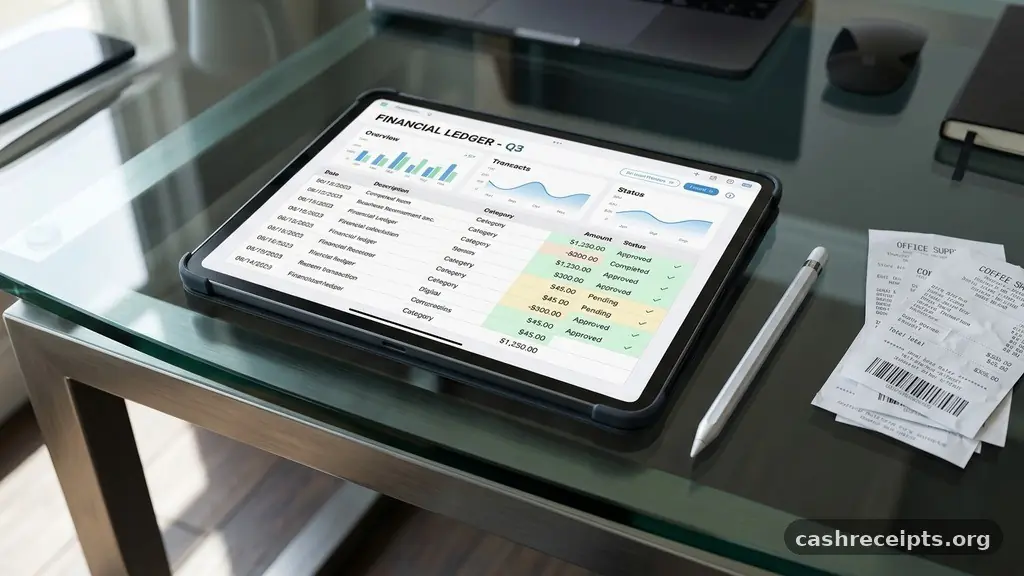
Understanding a transaction record and why does it matter is fundamental for anyone managing personal finances or running a professional enterprise. At its core, a transaction record is a documented account of a financial exchange between two parties, capturing essential data like the date, amount, and the nature of the activity. Keeping these logs is not merely a bureaucratic task; it is the backbone of financial health.
Whether you are tracking daily expenses or auditing a company’s year-end results, these records provide the evidence needed to verify where your money went. By mastering the art of logging these events, you gain clarity, ensure legal compliance, and build a reliable history of your economic life.
The Definition of a Transaction Record
A transaction record is a formal entry that captures the movement of value between accounts. It serves as a permanent, verifiable history of a specific financial event.
When you swipe a debit card at a coffee shop, the bank creates a digital entry that links your identity to the merchant and the specific dollar amount. This entry is the most basic form of a transaction record.
In a business context, these records are far more detailed. They include the date of the event, the names of the parties involved, the specific account affected, and a brief description of the service or product exchanged.
Without this documentation, it would be impossible to prove that a payment was made or received. It acts as the “truth” in any financial dispute.
Modern accounting relies on the consistency of these entries to generate meaningful insights. When you record transactions properly, you transform raw data into a narrative about your financial behavior.
Whether you use a simple spreadsheet or a sophisticated cloud-based accounting platform, the principle remains the same. You are creating a trail that can be audited, analyzed, and referenced at any future date.
Why Accuracy in Financial Documentation Matters
The primary reason to maintain a transaction record is to ensure the absolute accuracy of your financial statements. If you fail to log a single expenditure, your bank balance will never match your internal records.
This discrepancy leads to confusion, potential overdrafts, and missed opportunities for savings. Financial precision is the difference between feeling in control and constantly playing catch-up.
Beyond personal convenience, accurate records are essential for legal and tax compliance. Tax authorities require businesses to substantiate their income and deductions with clear, timestamped evidence.
If you cannot provide a record for a business expense, you risk losing that deduction during an audit. This is not just a suggestion; it is a regulatory requirement that keeps businesses operating within the law.
Furthermore, these records are the primary tool for identifying patterns. When you look back at a year of documented transactions, you can see exactly where your cash flow is strongest and where it is leaking.
You might discover that you are spending significantly more on recurring subscriptions than you realized. This insight is only possible if every single transaction is accounted for in your ledger.
The Role of Records in Business Operations
For any organization, recording transactions is the foundation of the accounting cycle. Businesses use these records to populate journals, which are then summarized into general ledgers.
This process creates the trail that leads directly to the preparation of financial statements like the balance sheet and the income statement. Without a rigorous system, these documents would be based on guesswork rather than reality.
Management relies on these records to make high-level decisions. If a company does not know exactly how much it spent on raw materials versus labor, it cannot set an accurate price for its products.
The transaction record provides the granular detail needed to calculate profit margins for individual product lines. It allows leadership to pivot based on real-time data instead of gut feelings.
External stakeholders, such as investors and lenders, also depend on these records. When a bank considers a loan application, they look for a clear, consistent history of financial activity.
A well-organized set of records demonstrates professional competence and fiscal responsibility. It proves that the business is capable of managing its obligations and tracking its growth over time.
Technological Shifts in Transaction Recording
The way we document financial exchanges has shifted dramatically from paper ledgers to electronic systems. In the past, every transaction had to be manually written into a physical book.
This method was prone to human error, such as transposed numbers or lost receipts. Today, most of our financial activity is captured automatically by digital systems.
Electronic recording has made the process faster and more reliable. Most banking apps provide real-time updates, allowing you to see a transaction record the moment it clears.
This automation reduces the “lag time” between a purchase and its entry in your records. It also allows for easier integration with budgeting software and tax preparation tools.
However, technology does not eliminate the need for oversight. Even with automated systems, you must periodically reconcile your accounts to ensure that the software is capturing everything correctly.
Software can experience glitches, and bank fees can sometimes be recorded inconsistently. Taking the time to verify these digital footprints remains a vital part of staying financially organized.
Categorizing Financial Activity for Clarity
Not all transactions are created equal, and categorizing them is essential for meaningful analysis. When you record a transaction, you should assign it to a specific category or account.
This practice allows you to see how your money is distributed across different areas of your life or business. You can find more information on the standards for financial reporting at the Financial Accounting Standards Board website.
Common categories include operating expenses, capital investments, payroll, and revenue streams. By grouping transactions this way, you can generate reports that highlight specific trends.
For instance, you might notice that your marketing expenses increased by 20% in the third quarter. This specific observation allows you to evaluate the return on that investment.
The following table illustrates how different types of transactions are typically categorized in a standard business ledger:
| Transaction Type | Category | Impact on Financials |
|---|---|---|
| Product Sales | Revenue | Increases Cash Balance |
| Office Rent | Operating Expense | Decreases Cash Balance |
| Equipment Purchase | Capital Asset | Increases Long-term Value |
| Employee Wages | Payroll Expense | Decreases Cash Balance |
Common Challenges in Record Management
Maintaining a perfect record is easier said than done, especially when dealing with high volumes of activity. One of the most common challenges is the “missing receipt” syndrome.
When a small, undocumented cash transaction occurs, it can create a ripple effect that makes reconciliation impossible at the end of the month. Establishing a habit of capturing data immediately is the only solution.
Another challenge is the complexity of multi-account management. If you have personal savings, a business checking account, and a corporate credit card, keeping these records separate is crucial.
Commingling funds is a major mistake that makes tax filing a nightmare. It blurs the line between personal and professional assets, which can lead to legal complications.
Consistency is the final hurdle. Many people start the year with a detailed tracking system but lose momentum as the months go by. The key is to find a system that is low-friction.
If your process for recording transactions is too complicated, you will eventually stop doing it. Choose tools that simplify your life rather than adding to your workload.
Best Practices for Maintaining Financial Integrity
To keep your records in top shape, you should adopt a few simple, non-negotiable habits. First, set a regular schedule for reconciliation.
Whether it is weekly or monthly, dedicating time to review your entries will catch errors before they snowball. This prevents the end-of-year scramble that many people face during tax season.
Second, use consistent naming conventions for your records. If you label a transaction as “Office Supplies” one day and “Stationery” the next, your reports will become fragmented.
Create a standardized list of categories and stick to it. This makes your data searchable and reliable for future reference.
Finally, keep digital backups of all your primary documents. Relying solely on a bank’s online portal is risky, as they may only keep records for a limited number of years.
Store your exported ledgers and scanned receipts in a secure, encrypted cloud folder. This ensures that you have a permanent, accessible history of your financial story.
- Maintain a dedicated business account to separate personal and work funds.
- Use cloud-based software to automate the capture of recurring expenses.
- Save digital copies of all invoices and receipts for at least seven years.
- Reconcile your bank statements against your internal records every month.
- Review your spending categories quarterly to identify trends and potential savings.
Frequently Asked Questions
How far back should I keep my transaction records?
For most tax and legal purposes, it is recommended to keep your records for at least seven years. This covers the typical statute of limitations for audits by tax authorities. Some long-term assets, like property, should be kept for as long as you own them and for several years after you sell them.
Can I rely on my bank’s app as my only record?
While bank apps are excellent for viewing recent activity, they are not a complete accounting system. They often lack the context or categorization needed for tax reporting and business analysis. It is best to export your data into a separate ledger where you can add notes, receipts, and specific categories.
What should I do if I find a discrepancy in my records?
Do not panic, as discrepancies are common. Start by comparing your ledger against the official bank statement line by line.
If you cannot find the error, check for pending transactions or fees that may not have been posted yet. If the issue remains, contact your bank to verify the specific entry in question.
Is it necessary to save paper receipts in the digital age?
Digital copies are generally accepted by tax authorities, provided they are clear and legible. Scanning your paper receipts and storing them in an organized digital format is perfectly acceptable. You can usually shred the paper originals once you have confirmed the digital backup is secure and readable.
How does a transaction record impact my credit score?
While the record itself does not directly influence your credit score, the financial discipline it fosters certainly does. By keeping accurate records, you are more likely to make payments on time and manage your debt effectively. These behaviors are directly reported to credit bureaus and help build a strong, positive credit history over time.
Closing Thoughts on Financial Stewardship
The importance of documenting every financial move cannot be overstated. When you truly grasp what is a transaction record and why does it matter, you stop viewing accounting as a chore and start seeing it as a tool for empowerment.
These records provide the clarity needed to make informed choices, avoid costly mistakes, and build a stable economic future. Whether you are managing a small household budget or overseeing the accounts of a growing business, the principles of consistency and accuracy remain the same.
Start today by organizing your current accounts and ensuring that your documentation is up to date. Small, incremental changes in how you handle your data will pay off significantly in the long run. If you ever feel overwhelmed, remember that the goal is simply to create a clear, honest history of your financial journey.
By taking control of your records now, you are setting yourself up for greater peace of mind and success. Feel free to reach out if you need more help refining your personal or business accounting systems.